
Endoscopy Test: When It’s Needed & What to Expect
Digestive health problems are common, but many people ignore symptoms until they begin affecting daily life. Persistent stomach pain, difficulty swallowing, unexplained weight loss, or repeated acidity are often dismissed as minor issues. However, these symptoms can sometimes indicate underlying conditions that require medical evaluation. One of the most effective diagnostic tools doctors use to examine digestive issues is the endoscopy test.
An endoscopy test allows doctors to view the internal organs directly, helping them identify the exact cause of symptoms and begin appropriate treatment at the right time. Understanding when an endoscopy is required and what the procedure involves can ease anxiety and help patients prepare with confidence.
What Is an Endoscopy Test?
An endoscopy test is a medical procedure that enables doctors to examine the inside of the digestive tract using a thin, flexible tube fitted with a small camera and light. This instrument is gently inserted through the mouth to view organs such as the food pipe (esophagus), stomach, and upper part of the small intestine.
The camera sends real-time images to a monitor, allowing the doctor to closely examine the lining of these organs. This detailed view helps detect inflammation, ulcers, infections, growths, or other abnormalities that may not appear clearly in routine tests.
Why Is an Endoscopy Test Important?
Many digestive conditions produce similar symptoms, making accurate diagnosis difficult without visual confirmation. An endoscopy test provides clarity by allowing direct observation of the affected area rather than relying only on symptoms or blood reports.
It helps doctors:
- Identify the cause of chronic digestive discomfort
- Detect early-stage conditions before complications develop
- Confirm diagnoses suggested by scans or blood tests
- Guide treatment decisions with precision
Early diagnosis through an endoscopy test often prevents more serious health problems later.
When Is an Endoscopy Test Recommended?
Doctors may advise an endoscopy test when digestive symptoms persist, worsen, or fail to improve with medication. Common reasons include:
Persistent Acidity or Heartburn
Long-standing acid reflux that does not respond to treatment may damage the food pipe and requires further evaluation.
Difficulty in Swallowing
Trouble swallowing food or liquids can indicate narrowing, inflammation, or growths in the esophagus.
Chronic Abdominal Pain
Unexplained pain in the upper abdomen that lasts for weeks may require internal examination.
Recurrent Vomiting or Nausea
Frequent vomiting without a clear cause may be linked to stomach or intestinal issues.
Unexplained Weight Loss
Sudden or unintentional weight loss can signal digestive disorders that need investigation.
Gastrointestinal Bleeding
Symptoms such as black stools, vomiting blood, or unexplained anemia often require urgent endoscopy.
Abnormal Test Results
Elevated liver enzymes, imaging findings, or irregular blood reports may prompt doctors to recommend an endoscopy test for confirmation.
Conditions Diagnosed Using an Endoscopy Test
An endoscopy test helps diagnose a wide range of digestive conditions, including:
- Gastritis (stomach lining inflammation)
- Peptic ulcers
- Gastroesophageal reflux disease (GERD)
- Hiatus hernia
- Esophageal infections or narrowing
- Polyps or abnormal growths
- Early signs of gastrointestinal cancer
- Celiac disease and malabsorption disorders
It may also be used to monitor known conditions and assess treatment effectiveness.

How to Prepare for an Endoscopy Test
Proper preparation is essential for accurate results and a smooth procedure.
- Fasting – Patients are usually asked to avoid food and liquids for several hours before the endoscopy test to ensure a clear view of the digestive tract.
- Medication Review – Certain medicines, especially blood thinners or diabetes medications, may need temporary adjustment. Always inform the doctor about all medications being taken.
- Medical History – Sharing complete medical history, allergies, and previous procedures helps ensure safety during the test.
- Accompaniment – As mild sedation is often used, patients are advised to have someone accompany them home after the procedure
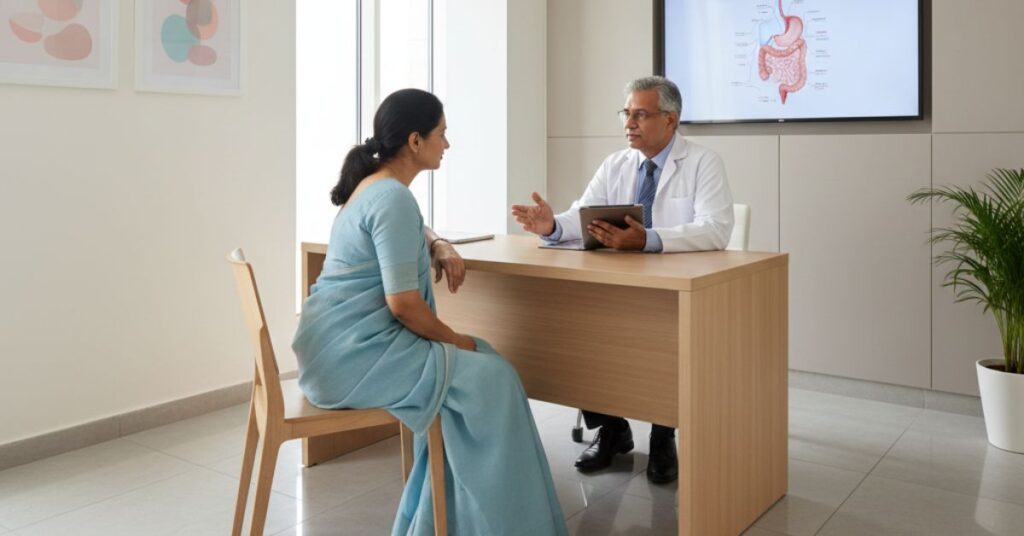
What Happens During the Endoscopy Test?
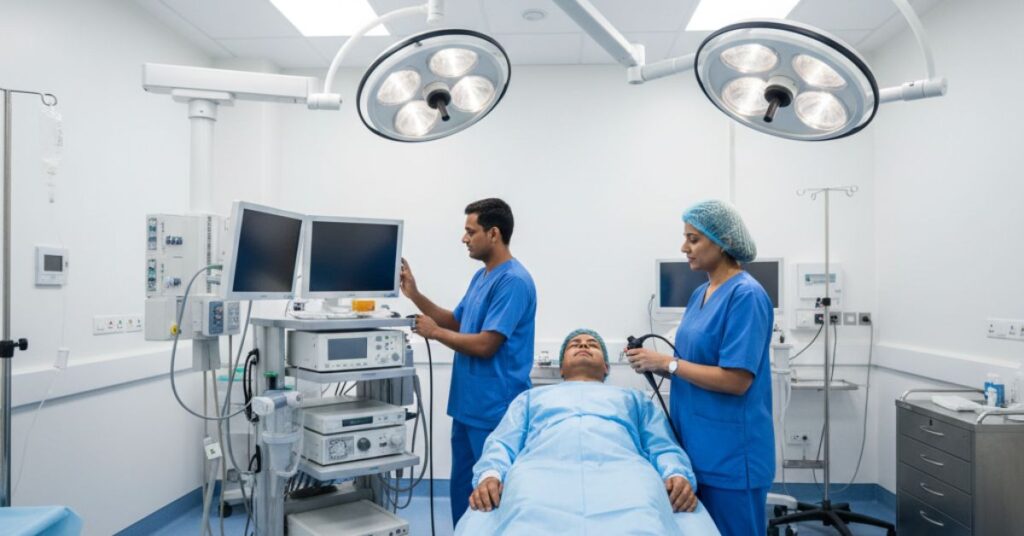
The endoscopy test is generally quick and performed in a controlled medical environment.
- The patient is made comfortable on an examination table
- A mild sedative or local anesthetic may be given to reduce discomfort
- The endoscope is gently guided through the mouth into the digestive tract
- The doctor carefully examines the internal lining on a screen
- If needed, small tissue samples may be collected for further testing
The entire procedure typically takes 15 to 30 minutes
Is the Endoscopy Test Painful?
Most patients do not experience pain during the endoscopy test. The sedative helps keep the patient relaxed, and discomfort is usually minimal. Some individuals may feel mild throat irritation or bloating afterward, which resolves on its own within a short time.
Doctors and medical staff ensure patient comfort throughout the procedure.
After the Endoscopy Test: What to Expect
Following the endoscopy test:
- Patients are monitored briefly until the sedative wears off
- Eating and drinking may resume as advised by the doctor
- Mild throat soreness may occur temporarily
- Normal activities can usually be resumed the same or next day
Test findings are often discussed shortly after the procedure, while biopsy results may take a few days.

Are There Any Risks Involved?
An endoscopy test is considered safe when performed by trained specialists. Complications are rare but may include minor bleeding or temporary discomfort. Serious risks are uncommon, especially when proper preparation and post-procedure care are followed.
Doctors evaluate the patient’s overall health before recommending the procedure to ensure safety.
Benefits of Early Endoscopy Testing
Choosing to undergo an endoscopy test when recommended offers several advantages:
- Accurate diagnosis without delay
- Timely treatment planning
- Prevention of complications
- Peace of mind through clarity
Early detection often leads to better outcomes and simpler treatment options.
Who Should Not Delay an Endoscopy Test?
People with ongoing digestive complaints, family history of gastrointestinal disorders, or unexplained symptoms should not postpone evaluation. Ignoring symptoms can allow conditions to progress silently.
Seeking timely medical advice helps protect long-term digestive health.
Conclusion
An endoscopy test plays a vital role in diagnosing and managing digestive disorders. It provides clear insight into the digestive system, helping doctors identify problems early and guide effective treatment.
If you are experiencing persistent digestive symptoms or have been advised to undergo an endoscopy test, consulting an experienced gastroenterology team can make the process comfortable, informative, and reassuring. Early evaluation not only answers questions but also supports better health outcomes.
Consult a Gastroenterology Specialist
If you are experiencing digestive or liver-related concerns, consult the specialists at Aashirwad Healthcare for accurate diagnosis and personalised gastroenterology care.